
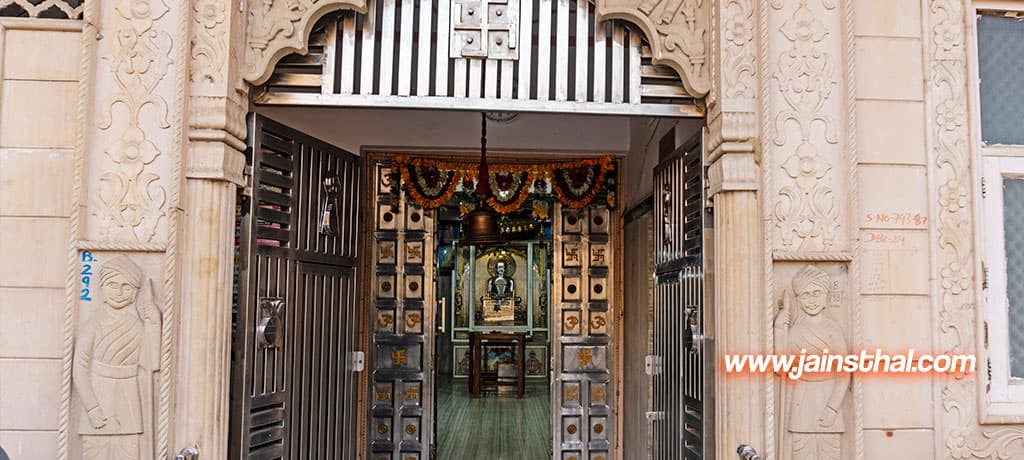
Shri Digambar Jain Temple, Rama Vihar
The main idol of this temple is considered atishaykari (miraculous) by many devotees.
A dedicated committee has been constituted to manage and oversee all temple operations. The committee comprises the following members:
Introduction
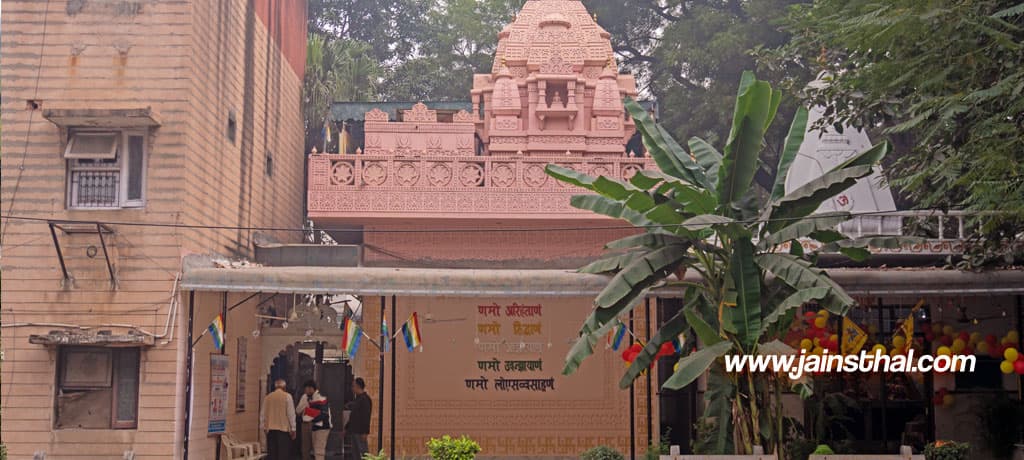
Shri Digambar Jain Temple in Rama Vihar is a sacred and peaceful spiritual destination nestled in the north-western region of Delhi. Conveniently located near Rithala Metro Station, it is easily accessible to devotees from across the city. The temple’s foundation was laid in 2004 through the united efforts of the local Jain community, and the first structure, the Chaityalaya, was inaugurated on 4th September 2005. The initial phase of development was guided by the late Shri Lala Omprakash Jain, whose vision was later carried forward with dedication by the entire community. A notable milestone in the temple's spiritual journey was the Laghu Panchkalyanak Mahotsav held in 2009, graced by the divine presence of Muni Shri 108 Darshansagar Ji Maharaj, which added to the temple’s sanctity and significance.
The heart of the temple lies in its magnificent Garbh Grah (sanctum sanctorum), where the awe-inspiring idol of Bhagwan Mahavir Swami is enshrined. This idol, weighing approximately 1140 kilograms, is made of Ashtadhatu (an alloy of eight sacred metals) and radiates divine energy. Alongside the principal deity, the sanctum houses six other major idols, including Bhagwan Adinath, Bhagwan Chandraprabhu, Bhagwan Shantinath, and Bhagwan Parshvanath, as well as additional idols of Mahavir Swami and Shantinath. The sanctum serves not only as a place of worship but also as a symbol of fine craftsmanship and unwavering faith. A single glimpse of the grand idols inspires deep reverence in the hearts of devotees and reinforces their spiritual connection.
Daily rituals such as puja, abhishek, and shantidhara are performed with devotion, filling the temple with sacred chants and an atmosphere of serenity. Throughout the year, the temple becomes a hub of celebration during important Jain festivals such as Mahavir Janma Kalyanak, Nirvan Mahotsav, Anant Chaudas, Diwali, Das Lakshan Parv, and Parshvanath Nirvan Mahotsav. These events attract large numbers of devotees and are celebrated with enthusiasm, devotion, and community participation, further enriching the spiritual and cultural fabric of the temple.
Atishay Katha
“The main idol of this temple is considered atishaykari (miraculous) by many devotees.”
Especially during Das Lakshan Parv, when the traditional Manjan (ceremonial bath) is performed, the idol appears exceptionally divine and radiant. Witnessing this moment provides a deeply spiritual and peaceful experience. Devotees believe that a glimpse of this idol transmits positive energy and establishes a profound inner calm.
Jain Samaj
Around 90 Jain families reside in the vicinity of the temple, many of whom visit regularly for darshan and daily rituals. On average, 18 to 20 devotees attend the temple each day, with significantly larger gatherings observed on Sundays—particularly among women devotees. Beyond its role as a spiritual sanctuary, the temple also serves as a center for community engagement and welfare. Notably, it has organized eye check-up camps that have benefited many local residents. The temple committee remains dedicated to expanding such social initiatives, reflecting a deep commitment to both faith and public service.
The temple premises are thoughtfully equipped to host Muni Maharajs and their accompanying Sangh, with proper arrangements that ensure their comfort and dignity. A total of five residential rooms are available within the complex, including one that is fully air-conditioned. These facilities symbolize the community’s devotion and hospitality, offering respectful accommodations for visiting Jain saints. The arrangement also supports the spiritual needs of devotees who come to seek blessings and guidance from the Muni Sangh.
History
The National Capital Territory of Delhi is India's capital and a Union Territory. Being the capital, it hosts the three branches of the central government—executive, legislature, and judiciary. Situated on the banks of the Yamuna River, Delhi boasts a glorious mythological and historical heritage. Ancient texts like the Mahabharata refer to it as Indraprastha, the capital of the Pandavas. Archaeological excavations in nearby regions such as Haryana link Delhi’s origins to the Indus Valley Civilization.
With the rise of the Delhi Sultanate, the city emerged as a significant political, cultural, and commercial hub. Several ancient and medieval structures, ruins, and monuments are scattered across the city, reflecting its rich past. Prominent historical sites include Qutub Minar, Iron Pillar, Safdarjung’s Tomb, Jantar Mantar, and Purana Qila. Delhi is also home to religious landmarks of almost all major faiths, such as Birla Mandir, Katyayani Shaktipeeth, Lal Jain Temple, Bangla Sahib Gurudwara, Bahá’í Lotus Temple, Akshardham Temple, and Jama Masjid. The iconic war memorial India Gate is also located here. Today, Delhi is not only the nation’s political capital but also one of its most important commercial and cultural centers.
Know something about this temple?
Spot something missing or incorrect, or have extra info to share? Let us know and our team will take a look.
A dedicated committee has been constituted to manage and oversee all temple operations. The committee comprises the following members: