
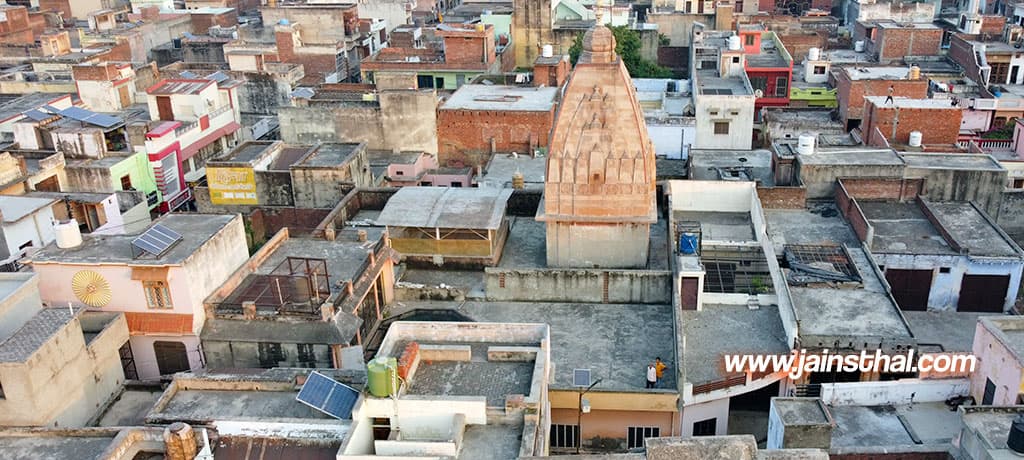
Panchayati Jain Mandir Meerapur
Unfortunately, some idols were stolen from the temple, including the idol of Shri Parshvanath Bhagwan.
The local Jain community has established a committee for the proper management of the temple. The committee comprises active members who are involved in the following manner -
Introduction
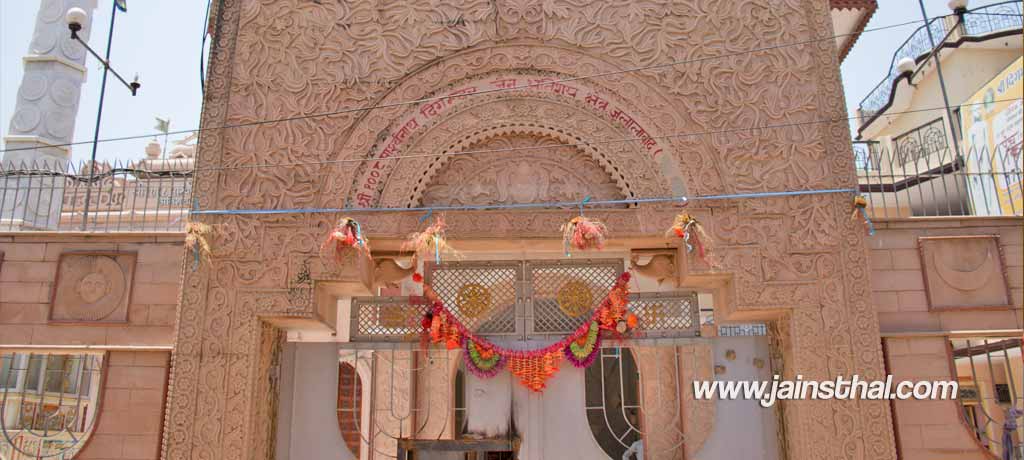
Shri 1008 Munisuvratnath Digambar Jain Mandir is situated in the village of Mirapur, at a distance of 38 kilometers from Vehlana Ji Atishya Kshetra. Before the construction of the temple, there used to be a Chaityalaya (a place of worship) here. Later, the Jain community decided to transform the Chaityalaya into a Mandir (Temple). In the year 1860, the Jain community purchased five hundred square yards of land and constructed the temple. All the idols that were previously enshrined in the Chaityalaya were reinstated in the temple. In the temple, there is primarily one Vedi, where the Mool (main) deity idol is of Shri 1008 Munisuvratnath Bhagwan. This idol is approximately 600 years old and is considered extremely magnificent, being made of white marble. Along with the Mool idol, in the Garbh Grah (sanctum sanctorum), there are also ancient idols of Shri Chandraprabhu Bhagwan, Shri Vasupoojya Bhagwan, Shri Adinath Bhagwan, Shri Parshvanath Bhagwan, and other ancient idols.
“Unfortunately, some idols were stolen from the temple, including the idol of Shri Parshvanath Bhagwan.”
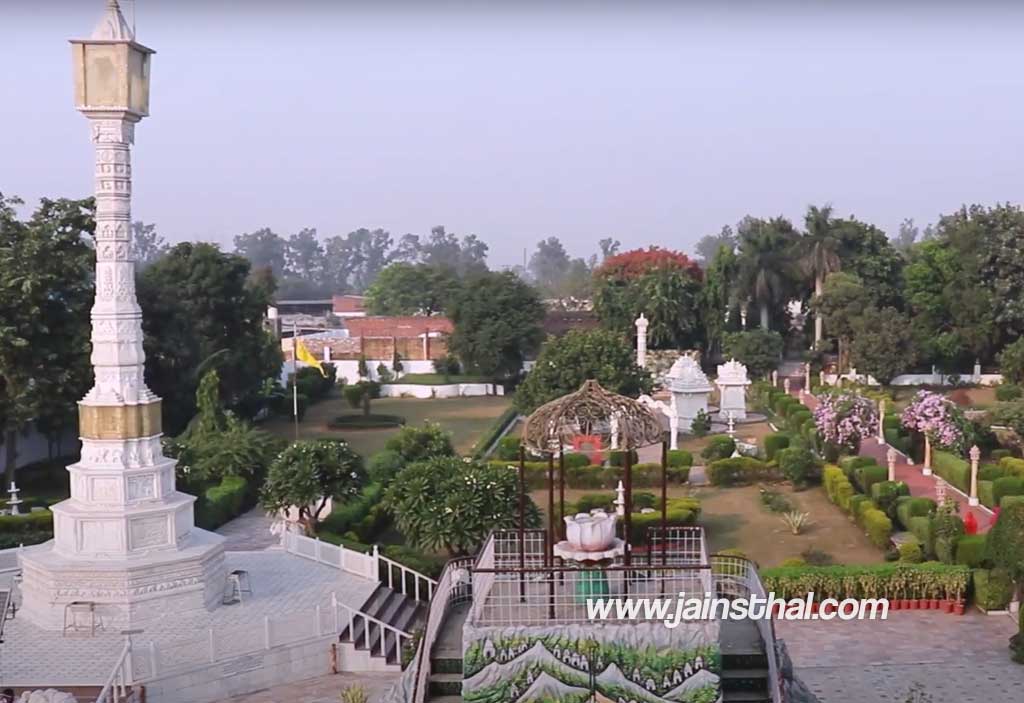
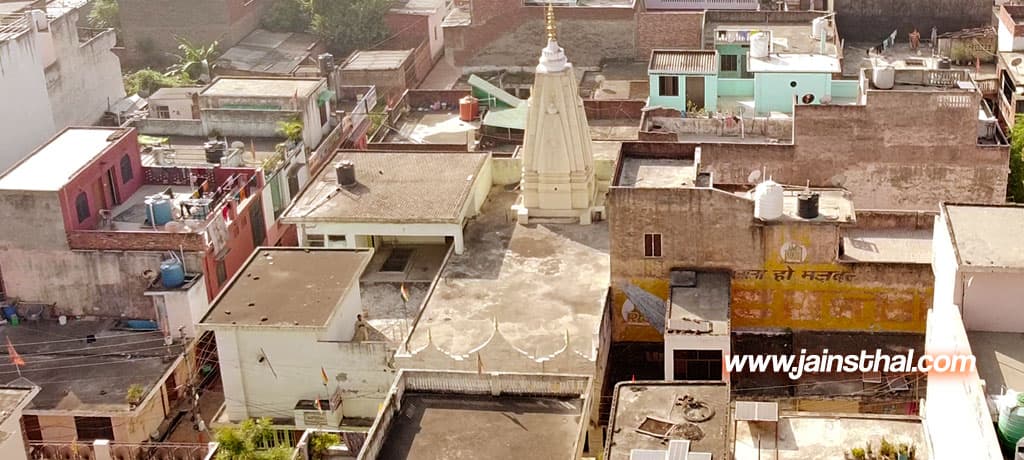
Some years later, the stolen idol of Bhagwan Parshvanath is spotted by a member of the Jain community in a village. Subsequently, with collective efforts from the entire Jain community, the idol is retrieved and reinstated in the temple. The Shikhar (spire on top) of the temple, was constructed with marble around 51 feet high, adorns the temple. Currently, the temple is also known as the Panchayati Mandir Ji. The management of the temple is lookafter by the Shri Digambar Jain Panchayati Mandir Committee, Mirapur.
Dharamshala
In Mirapur, the number of Jain families is very less as compared to families of the other communities, but still the Jain community has an active presence in all kinds of social activities. Despite being small in number, the local Jain community proficiently manages the operations of the temple. Various facilities are provided for the convenience of the Jain devotees visiting the temple. If a Pilgrim comes to visit the temple from a distant area, arrangements for their stay are also provided by the committee. This temple is located at a distance of approximately 38 kilometers from Vehlana Ji Atishya Kshetra. Jain Saints often visit this area while traveling along the Hastinapur to Vehlana Ji route. Accommodation facilities, in the form of rooms, have been arranged for their stay. A large hall has been constructed for the discourses of the Saints, enabling people to listen and understand their teachings, implement them in their lives and progress towards success.
History
The area of Muzaffarnagar is around 4049 square kilometers. Muzaffarnagar is situated in the western part of Uttar Pradesh, approximately 116 kilometers away from Delhi, bordering Haryana and Rajasthan. It lies on National Highway 58, within the Ganga-Yamuna Doab, between the districts of Saharanpur to the north and Meerut to the south. This region is significant for various religious sites. Several pilgrimage places such as Shukratal, Tanda, Amba Bara, Bhithauli and Mandira Ghat are located at the confluence of the Ganga and Yamuna rivers. Festivals and fairs held here are important cultural events. The district boasts many ancient palaces and royal residences, which hold historical importance and are popular among tourists. Hindi and Urdu are the primary languages spoken here, but other languages such as Haryanvi and Rajasthani are also spoken in this region. Muzaffarnagar is an important industrial city, renowned for sugar, steel, paper, and hand-woven suits for women. It is also known for its textile industry. Along with sugarcane, grains are the major agricultural produce of this region. Most of the population here is engaged in agriculture, which accounts for over 70% of the area's population. Muzaffarnagar's jaggery market is the largest in Asia. Muzaffarnagar is the largest producer of sugarcane in India, and it also has the highest number of sugar mills in the country.
Know something about this temple?
Spot something missing or incorrect, or have extra info to share? Let us know and our team will take a look.
The local Jain community has established a committee for the proper management of the temple. The committee comprises active members who are involved in the following manner -