
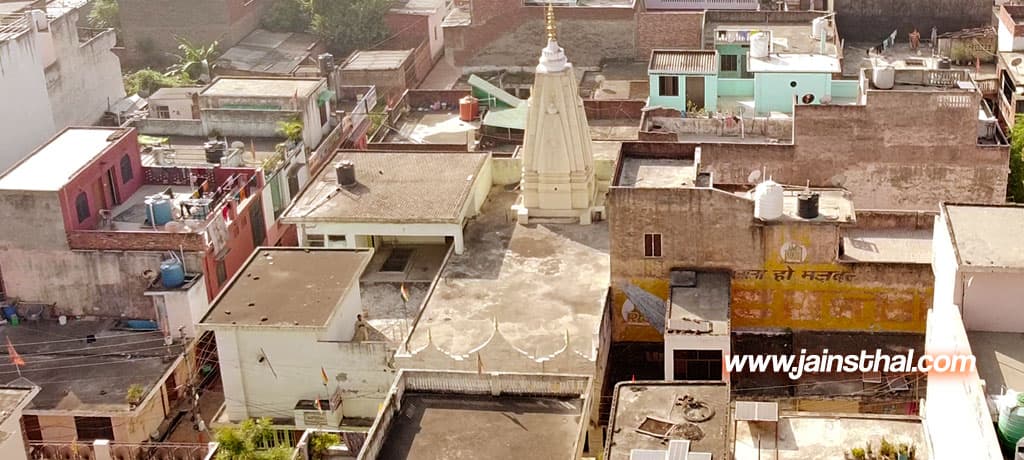
Mill Mansurpur Jain Mandir
In the temple, there are many Atishay (divine occurrences) to be seen.
In Mill Mansurpur, rather than constructing a committee for the temple, all families in the area contribute enthusiastically and devoutly to the religious activities of the temple. The management of the temple is overseen by Jain families residing nearby. The main members of the Jain community responsible for the administration of the temple are as follows :
Introduction
Jain Saints typically cover a distance of 10 to 12 kilometers in a day, traveling on foot without using any vehicles. The distance between Muzaffarnagar and Khatauli is approximately 22 kilometers. However, there was a lack of proper arrangements for Jain Saints to stay along the GT Road between Muzaffarnagar and Khatauli. Usually, the Saints used to halt at the private residences of some individuals or at schools. Once, Muni Shri 108 Adi Sagar Ji Maharaj traveled from Khatauli to Muzaffarnagar. Being quite elderly, he couldn't walk very far. Mr. Sudhir Kumar Jain, a respected figure from Khatauli, along with the Jain community of Jain Mandi Khatauli, suggested that Muni Shri should be accommodated at the private residence of Mr. Lala Shri Prakash Chand Jain in Mill Mansurpur. After a gap of 28 years, a Muni Shri's Aahar (meal) event was held in the Mill Mansurpur area. After the Aahar, Muni Ji suggested that the Jain community should construct a facility where Jain Saints and pilgrims could rest. The Jain community decided to acquire a plot and construct a Jain guesthouse or a Sant Nivas in Mill Mansurpur. Along with the construction of the Jain Bhawan, Lal Shri Shikhar Chand Jain also proposed to build a Chaityalaya for the Jain community.
The people of the Jain community decided to establish the Chaturth Kalin idol of Shri 1008 Parshavanath Ji brought from the nearby village Mansurpur, in the temple. Since they were not able to enshrine the Chaturth Kalin idol in the Chaityalaya, therefore Lala Shri Shikhar Chand Jain informed the Jain community that a Panchkalyanak Pratishtha Mahotsav (auspicious event for the consecrating life into Jain idols) is happening in Meerut. Therefore, the idol should be brought from Meerut to Mill Mansurpur and established there. The members of the Jain community went to Meerut and decided to bring the idol of Shri 1008 Padmaprabhu Bhagwan to be established in the Chaityalaya. Previously, due to the absence of a Jain temple, people were not familiar with the proper way of Puja-Prakshal (worship) and Abhishek (auspicious bath of the idol) rituals. Therefore, respected Shri Bhushan Jain taught the people the proper way of Puja-Prakshal and Abhishek
The Moolnayak Pratima (main deity’s idol) in the temple is of Shri 1008 Padmaprabhu Bhagwan, along with the Chaubisi Pratima and the idols of Siddha Bhagwan. There is a collection of Jain scriptures for study, and pictures of Jain Saints are displayed all around. Since the construction of the Chaityalaya, many Jain sadhus and sadhvis have been visiting here regularly. The arrival of Jain Saint in the temple brings the fortunate opportunity for many families in the area to receive their blessings. Despite the low Jain population in the area, the community and local people contribute with great devotion to all the activities of the temple, without the need for a committee's formation.
Atishay Katha
“In the temple, there are many Atishay (divine occurrences) to be seen.”
It is said that on May 11, 1998, when Aryika Abhayamati Ji and Kshullika Shantimati Ji, were staying in the Sadhu Bhavan, their health suddenly deteriorated. Doctors advised them to take medicine, but Mata Ji refused to take it, as Jain Saints do not use English medicines. Mata Ji continuously chanted the name of Shri Padmaprabhu Bhagwan, and the obstacle was removed, and she regained her health. It is indeed remarkable that despite being extremely unwell, Mata Ji recovered just by meditating on the divine name without taking any medicine. During the night of January 31, 2007, thieves broke the locks of the temple doors and entered the temple. As there is a donation box in every temple, a Chhatar (brolly) over the deity and other valuable items, despite this, the thieves could not steal anything and left the temple empty-handed. They also locked the main door of the temple for security purposes before leaving. Thus it was the Atishay of Shri Padmaprabhu Bhagwan, as even though the thieves entered the temple, they could not commit any theft.
Dharamshala
Currently, a Jain Bhavan has been constructed alongside the temple by the Jain community, where provisions have been made for Aahar and Vishram (accommodation) for Jain Saints as well as the devotees coming from outside. Along with the temple, there is also a dispensary where medicines are provided for just two rupees.
History
Muzaffarnagar covers an area of 4049 square kilometers. Located approximately 116 kilometers away from Delhi, it lies in the western part of Uttar Pradesh, bordering Haryana and Rajasthan. Positioned on National Highway 58, it sits between the districts of Saharanpur to the north and Meerut to the south in the confluence of the Ganga and Yamuna rivers. This region is significant for various religious sites. With several pilgrimage destinations like Shukratal, Tanda, Amba Bara, Bhithauda, and Mandira Ghat situated at the confluence of the Ganga and Yamuna, it hosts numerous festivals and fairs that are culturally significant. The district boasts several ancient palaces and royal residences, which hold historical importance and are popular among tourists. Hindi and Urdu are the primary languages spoken here, although other languages such as Haryanvi and Rajasthani are also prevalent. Muzaffarnagar is an important industrial city known for its sugar, iron, paper, and handloom industries, particularly renowned for the intricate embroidery work on women's suits. Alongside sugarcane, grains are the major agricultural produce in this region, with over 70% of the population engaged in farming. Muzaffarnagar's grain market is the largest in Asia. The city is a major producer of sugarcane in India, with the highest number of sugar mills located here.
Know something about this temple?
Spot something missing or incorrect, or have extra info to share? Let us know and our team will take a look.
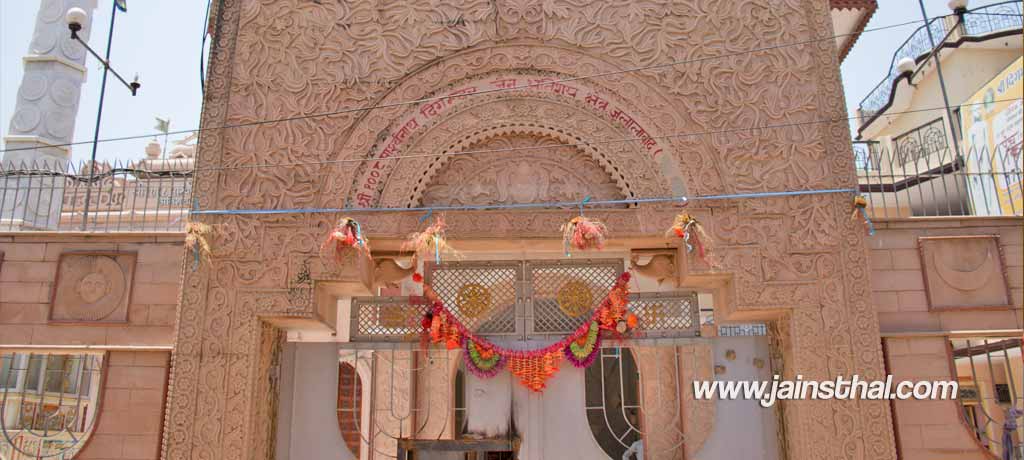
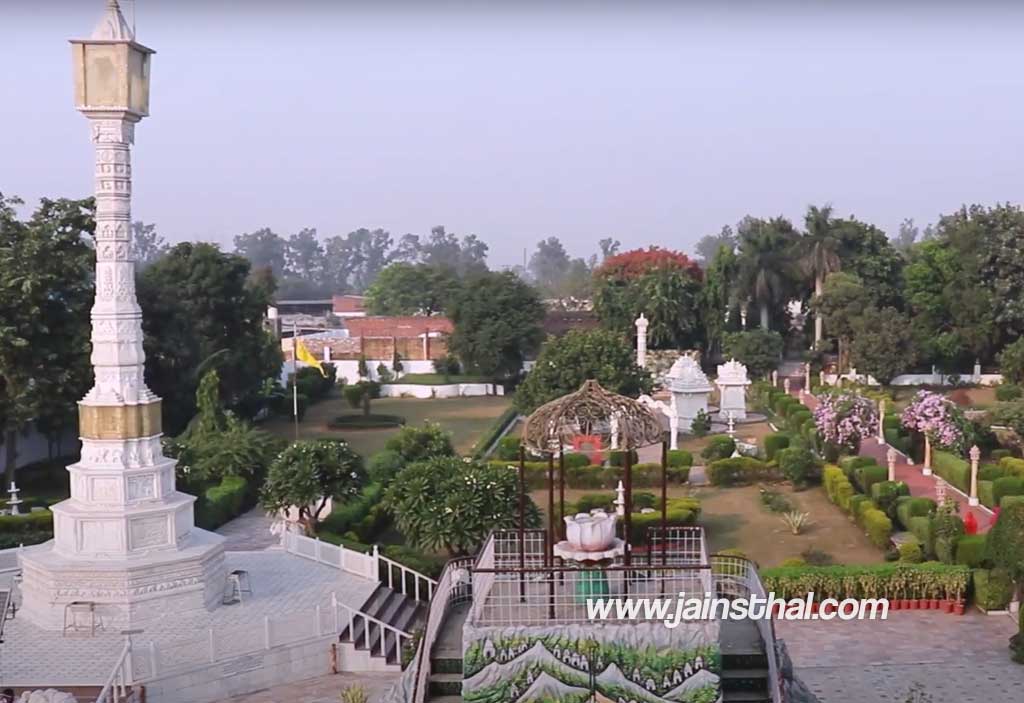
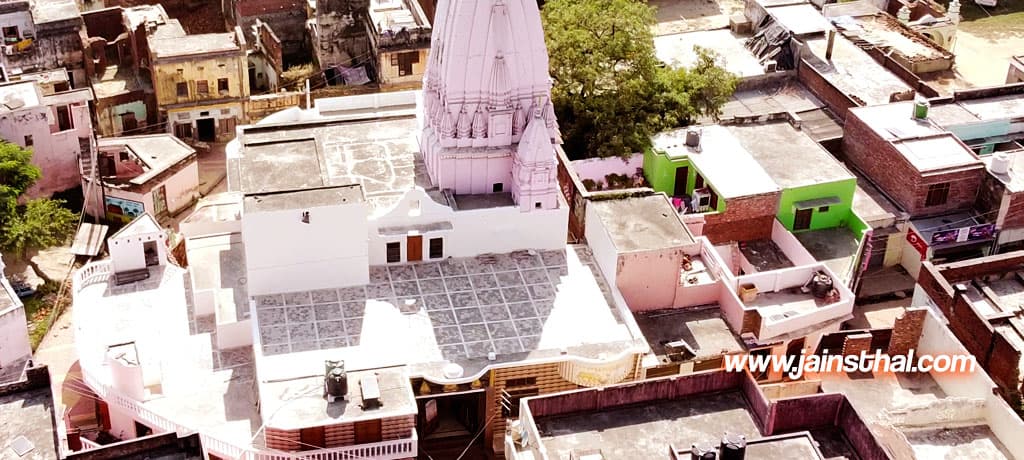
In Mill Mansurpur, rather than constructing a committee for the temple, all families in the area contribute enthusiastically and devoutly to the religious activities of the temple. The management of the temple is overseen by Jain families residing nearby. The main members of the Jain community responsible for the administration of the temple are as follows :