
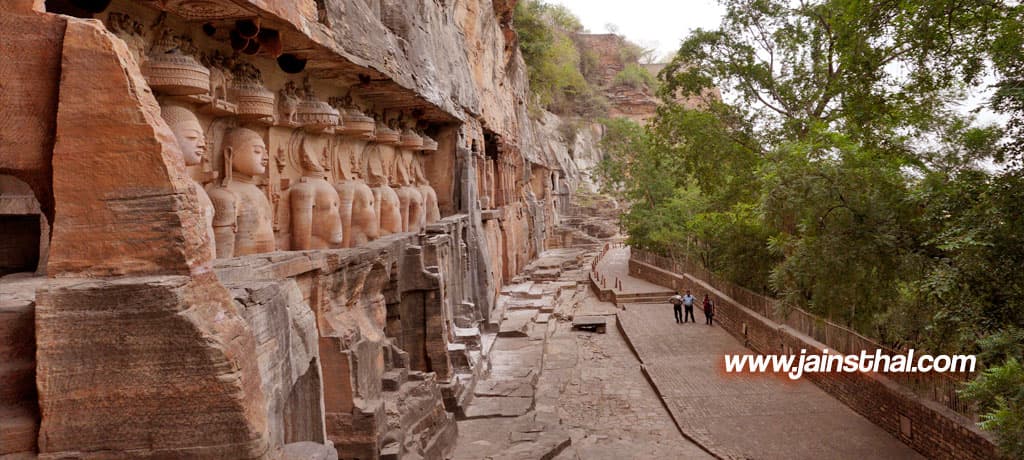
Gopachal Parvat Gwalior
But as soon as they struck the idol of Shri Parshvanath Bhagwan, a divine miracle occurred.
Gopachal Parvat is a significant Jain heritage site, making it the primary centre for the Jain community. To preserve Gopachal Parvat, the Shri Digambar Jain Atishay Kshetra Gopachal Parvat Sanrakshak Nyas has been established. Its members are as follows :
Introduction
Before the Mahabharata period, the old name of Gwalior city and its region was Goparashtra. Initially, this Goparashtra was under the Chedi Janapada. In the middle of the Gwalior city stands a massive fort, and within the precincts of this fort lies the Gopachal Mountain. According to geologists, this mountain is even older than the Himalayas. According to a legend, the Gopachal Mountain was formed in the 7th and 15th centuries. Until the 7th century, this mountain was covered with forests, and the plains were covered with grasslands. A person named Maveshi used to come here daily to graze cows. Such herdsmen were called "Gwala '' and cows were called "Gau" in the local Hindi language. Therefore, the name of this area became Gopachal, which literally means the region of cows. Later, in the 8th century, during a hunting campaign, the local ruler Suraj Sen visited this mountain. In search of water to quench his thirst, he reached the cave of a local saint named Gwalipa, who arranged water for him from a nearby spring. The water from this spring had miraculous effects on his body because Suraj Sen was afflicted with leprosy, and drinking this water cured his illness. Thus, at the request of Saint Gwalipa, the construction of the fort was undertaken here, and the city was named Gwalior. Therefore, it can be said that the name Gopachal predates Gwalior, but the major sculptural work was done during the Tomar dynasty in the 15th century. Other ancient names of this mountain were Gopagiri and Gopadri, which roughly translate to "cow herding." According to legends, this mountain was named Gomant. This ancient artistic group of Jain idols is a unique place where there are thousands of large Jain statues, numbering approximately between 1300 to 1500. The creation of these giant statues was undertaken during the reign of the Tomar dynasty kings Veermadev, Doongarsingh, and Kirtisingh in the 15th century. However, when Mughal Emperor Babur conquered Gopachal Mountain, he ordered the destruction of these giant statues in 1557. As Babur's army began destroying the idols, they attempted to destroy the large idol of Shri Parshvanath Bhagwan.
“But as soon as they struck the idol of Shri Parshvanath Bhagwan, a divine miracle occurred.”
Darkness fell before the eyes of all the soldiers, and they were filled with fear and fled. Thus, the idol was saved from destruction. Today, this idol of Shri Parshvanath Bhagwan, seated in a Padmasana posture and standing at an immense height of 42 feet, remains intact. The Gopachal Mountain is a centre of reverence for the Jain community.
Dharamshala
Due to Gwalior being a Jain pilgrimage site, thousands of people visit the area every year to pay their respects. Being the main city of Madhya Pradesh, Gwalior is equipped with all kinds of facilities for pilgrims. Arrangements for accommodation have been made for pilgrims coming from afar. Several Jain dharamshalas have been constructed in the area to ensure that pilgrims visiting the temples face no inconvenience.
History
Gwalior is considered the most popular district in Madhya Pradesh. Spread over an area of 4,560 square kilometres, Gwalior is located 343 kilometres away from India's capital, Delhi. The district of Gwalior got its name from a famous fort located in the area. The name of this renowned fort was derived from the name of a situated hill. This flat-topped hill was called Gopachal, Gopgiri, Gop Parvat, or Gopadri. This name was corrupted to form the word "Gwalior." Gwalior is known worldwide for its ancient temples and forts. It is also the largest district in Madhya Pradesh in terms of tourism. Gwalior is home to tourist attractions such as the Gwalior Fort, Jai Vilas Palace, and Tigra Dam.
Know something about this temple?
Spot something missing or incorrect, or have extra info to share? Let us know and our team will take a look.
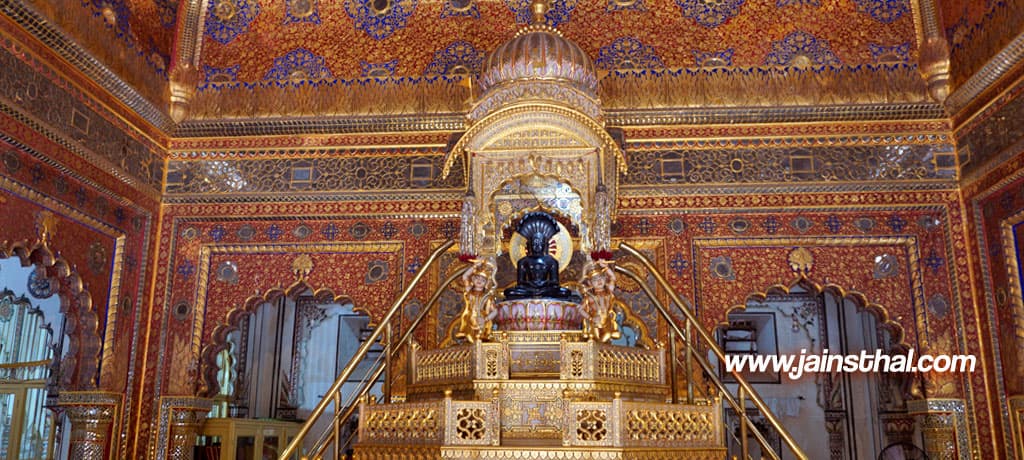
Gopachal Parvat is a significant Jain heritage site, making it the primary centre for the Jain community. To preserve Gopachal Parvat, the Shri Digambar Jain Atishay Kshetra Gopachal Parvat Sanrakshak Nyas has been established. Its members are as follows :